
Young Animal Advocates: How College Students Are Stepping Up for Neglected Pets in Urban India
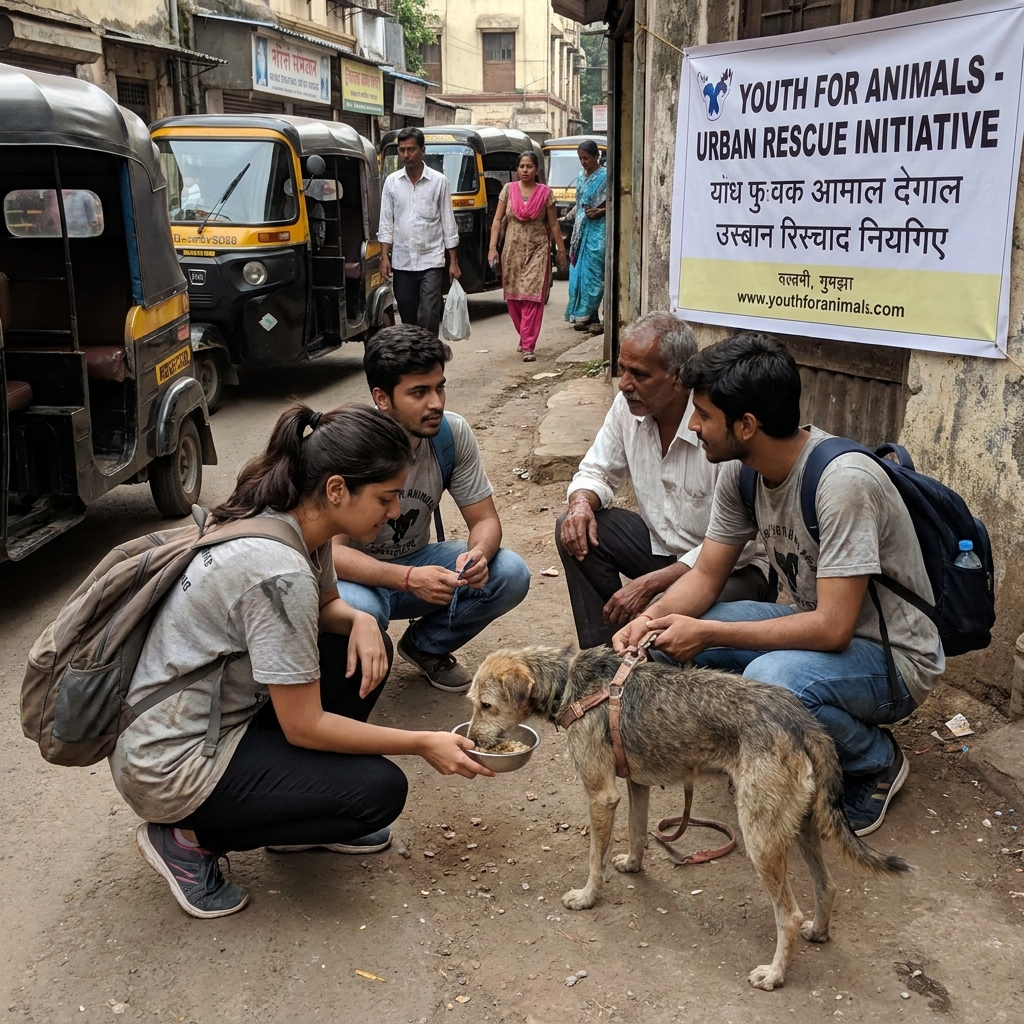
Every day in India’s busy cities, stray dogs curl up in doorways. Abandoned cats search for food near trash bins. Injured animals limp through traffic with no one to help. It’s a heartbreaking reality that millions of people walk past without a second glance. But something is quietly changing. Across college campuses in cities like Mumbai, Delhi, Bengaluru, and Chennai, a new generation of young people is refusing to look away. These student advocates are feeding strays, rescuing injured animals, and building communities that care. And the impact they’re making is bigger than most people realize.
What Matters Most in Student-Led Animal Rescue India Efforts
Before diving into what these students are doing, it helps to understand what makes their work meaningful — and sustainable. Not every effort to help animals has the same impact. The most effective approaches share a few key traits:
Consistency over urgency. One-time rescue missions help in the moment, but regular feeding rounds, check-ins, and follow-ups build real trust with street animals and local communities.
Education alongside action. Students who take time to teach others about animal cruelty prevention, responsible pet ownership, and stray animal welfare create lasting change beyond their own efforts.
Collaboration with animal rescue organizations. Solo efforts can only go so far. The most impactful student advocates connect with registered animal rescue organizations and animal shelter services to ensure rescued animals get proper medical care and rehoming support.
A focus on community buy-in. Getting neighbors, shopkeepers, and housing societies on board is often what determines whether stray animals are cared for — or chased away.
Why Urban India Has So Many Stray and Abandoned Pets
To understand why student-led animal rescue efforts matter so much, it’s important to understand the problem they’re solving.
India has one of the largest stray dog populations in the world. Estimates suggest there are over 60 million stray dogs across the country. Many of them are not truly “wild” — they are abandoned pets India once welcomed into homes, or the offspring of pets that were let loose when families moved, couldn’t afford care, or simply lost interest.
Urban migration makes this worse. As people move from smaller towns to cities for work or education, pets are sometimes left behind. Rapid urban development also destroys the natural territories of stray animals, forcing them into unfamiliar areas where they face danger and hunger.
At the same time, animal shelter services in India are severely underfunded and overstretched. Many municipal shelters struggle with space, staff, and resources. This gap is exactly where student volunteers have stepped in.
How College Students Are Getting Involved in Stray Animal Welfare
Across Indian campuses, students are finding creative and practical ways to contribute to animal rescue India efforts. Here’s how many of them are making a real difference:
Forming Campus Animal Welfare Clubs
Many colleges now have student-run clubs focused on stray animal welfare. These groups organize feeding drives, vaccination camps, and awareness events. They raise small funds through bake sales or crowdfunding to cover basic veterinary costs for injured strays on and around campus.
These clubs also give students a structured way to volunteer, which is important. Helping animals can be emotionally draining. A supportive team makes it easier to keep going.
Working as Animal Rescue Volunteers
Some students go beyond campus life and become registered animal rescue volunteers with local NGOs and animal rescue organizations. This can mean responding to distress calls about injured animals, helping transport strays to shelters, or assisting vets during treatment.
This kind of hands-on experience teaches students about animal behavior, first aid for animals, and how to handle stray dog rescue situations safely — skills that aren’t taught in classrooms.
Advocating for Pet Adoption Services
Rather than letting rescued animals stay in shelters indefinitely, many student advocates actively promote pet adoption services. They create social media campaigns, organize adoption drives, and connect potential adopters with shelters. Some even help match adopters with the right animal based on lifestyle and space.
This work directly reduces the number of abandoned pets India struggles with and gives rescued animals a second chance at a good life.
The Role of Education in Animal Cruelty Prevention
One of the most powerful things young advocates do is educate. Many people in urban India aren’t aware of the laws protecting animals, the suffering that stray animals go through, or what responsible pet ownership looks like.
Student-led workshops and social media campaigns have introduced thousands of people to key ideas like:
- Why feeding strays matters — A dog that is regularly fed is less likely to become aggressive out of hunger or fear.
- The importance of sterilization — Animal birth control programs reduce the stray population humanely over time.
- What to do if you find an injured animal — Many people want to help but don’t know the steps to take safely.
- Animal cruelty prevention basics — Knowing that harming or abandoning a pet is punishable under Indian law helps shift community attitudes.
This kind of education is a cornerstone of the animal rights movement in India, and students are spreading it in ways that feel approachable and relatable to their peers.
Connecting with Animal Rescue Organizations and Shelter Services
One thing the most effective student advocates do well is build bridges. They don’t try to do everything alone. Instead, they form working relationships with established animal rescue organizations and animal shelter services in their cities.
These connections matter for several reasons:
Medical care. Student volunteers rarely have veterinary training. Partnering with rescue organizations ensures that injured or sick animals get professional help quickly.
Safe housing. When a stray is rescued, it needs a safe place to recover. Animal shelter services provide that space and ongoing care until the animal is ready for adoption.
Legal guidance. Animal welfare programs run by NGOs often have experience navigating local laws and working with municipal authorities. Students benefit from that knowledge.
Mentorship. Experienced rescuers can guide new volunteers on how to handle difficult situations — aggressive animals, hostile residents, or complex rescues — without getting hurt or making things worse.
If you are a student who wants to get involved, reaching out to a registered animal rescue organization in your city is one of the best first steps you can take.
Animal Welfare Programs That Are Shaping the Next Generation
Several animal welfare programs in India have started recognizing the potential of young volunteers and are building structured pathways for student involvement. These programs offer:
- Internships and volunteer certifications that look great on resumes while doing real good
- Training in animal handling, rescue protocol, and basic first aid
- Community outreach projects where students lead education sessions in schools, housing societies, or local markets
- Research opportunities for students in fields like veterinary science, social work, sociology, or public policy
These programs help students turn passion into practical skills — and they ensure that the animal rights movement in India keeps growing with informed, capable advocates.
Common Mistakes New Animal Advocates Make (And How to Avoid Them)
If you’re inspired to get involved in animal rescue India efforts, here are some honest tips to help you start smart:
Don’t approach stray dogs without training. Even friendly-looking strays can bite when scared or in pain. Learn proper techniques before attempting any stray dog rescue on your own.
Don’t feed and disappear. If you start feeding a stray animal, try to be consistent. Irregular feeding can confuse an animal and create dependency without real support.
Don’t post graphic content online without purpose. Sharing images of suffering animals can raise awareness, but it can also traumatize viewers and drive people away from your cause. Choose your content thoughtfully.
Don’t ignore your own limits. Animal rescue work is emotionally heavy. Compassion fatigue is real. Take breaks, lean on your team, and remember that you can’t save every animal alone.
Do connect with locals. The people who live near a stray animal are your biggest allies — or your biggest obstacle. Build relationships with them. Explain what you’re doing and why.
Do document your rescues. Photos, records, and notes help you track an animal’s progress and are essential if you need to hand off care to a shelter or vet.
A Movement Worth Supporting
What college students are doing for stray animal welfare across India’s cities is quiet, unglamorous, and deeply important. They are filling a gap that governments and shelters can’t always reach. They are building a culture of compassion in a country that is still figuring out how to protect its most vulnerable animals.
Whether you’re a student looking to get involved, a pet owner who wants to support local rescue efforts, or simply someone who cares about abandoned pets India’s cities are full of — you have a role to play too. Volunteer with a local group. Support pet adoption services. Report cruelty when you see it. Donate to animal rescue organizations near you.
Every small action, taken by enough people, creates the kind of change that lasts.
Frequently Asked Questions
How can a college student in India get started with animal rescue work?
The best first step is to reach out to a registered animal rescue organization in your city. Many NGOs offer structured volunteer programs that provide training in animal handling, rescue protocols, and basic first aid. You can also look for or help form an animal welfare club on your campus, which gives you a supportive team and a practical way to start contributing through feeding drives, awareness events, and fundraising for veterinary care.
Why are there so many stray and abandoned animals in Indian cities?
India has over 60 million stray dogs, many of whom are abandoned pets or their descendants. Urban migration plays a major role, as people moving to cities for work or education sometimes leave pets behind. Rapid urban development also displaces stray animals from their familiar territories. At the same time, animal shelter services across the country are severely underfunded and overstretched, leaving a significant gap in care that volunteers and NGOs work hard to fill.
What is the most effective way to help stray animals long-term?
Consistency is key. Regular feeding, check-ins, and follow-ups build trust with street animals and surrounding communities far more effectively than one-time rescue efforts. Pairing hands-on care with education about responsible pet ownership and animal cruelty prevention, while collaborating with established animal rescue organizations and shelter services, creates the most sustainable and widespread impact.
Is it safe for untrained students to approach and rescue injured stray animals?
Not without proper guidance. Even calm-looking stray animals can bite when they are scared or in pain, making untrained handling risky for both the person and the animal. Students should seek training through animal welfare programs or NGO volunteer certifications before attempting any stray dog rescue independently. Until then, the safest approach is to contact a registered animal rescue organization or experienced volunteer to handle the situation.
How does promoting pet adoption help address the stray animal problem in India?
Encouraging pet adoption directly reduces the number of animals living in shelters or on the streets. When student advocates run social media campaigns, organize adoption drives, and help match animals with suitable families, they give rescued animals a second chance at a stable home. This also discourages the cycle of abandonment by connecting adopters with animals that genuinely need homes, rather than supporting the demand for purchased pets that can sometimes later become part of the abandoned pets India struggles with.