
Managing Pet Health After Rescue: Balancing Treatment Benefits and Unexpected Changes
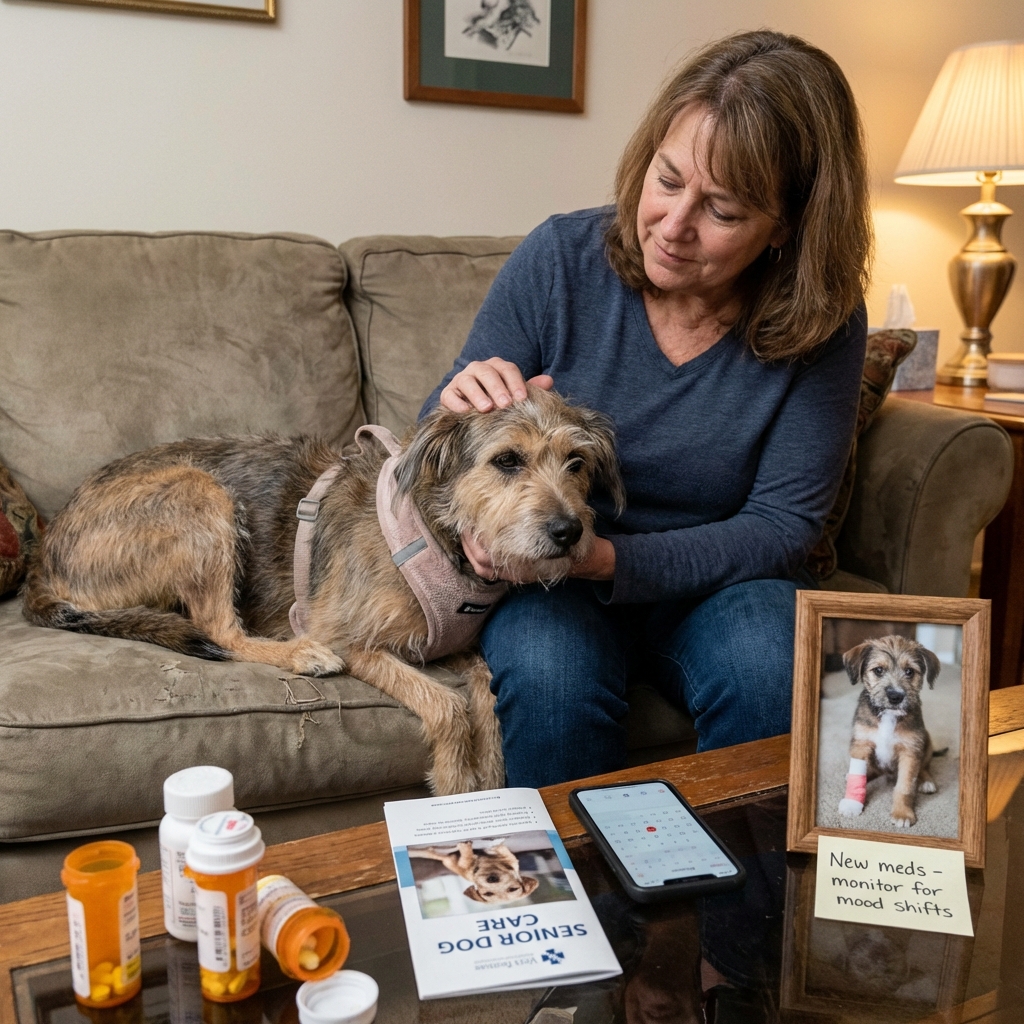
Bringing home a pet from an animal shelter rescue is one of the most rewarding things you can do. But it can also come with surprises. Some pets settle in quickly and thrive. Others arrive with hidden health issues, stress-related behaviors, or medical needs that take time to understand. Even when you do everything right, treatments that help in one way can sometimes cause unexpected changes in another. It can feel overwhelming — but it doesn’t have to be. With the right knowledge and a little patience, you can navigate your pet’s health journey with confidence.
What Matters Most When Managing a Rescue Pet’s Health
Before diving into specific challenges, it helps to understand what you’re really managing. Pets that come through animal rescue organizations or shelter adoption programs have often experienced stress, medical treatment, and big changes in a short period of time. Their bodies and behaviors reflect all of that.
Here are the most important things to keep in mind:
- Health history may be incomplete. Animal rescue services do their best, but they don’t always have full records on every animal. You may be working with limited information at first.
- Every pet responds differently. What worked for one rescue dog or cat may not be right for yours. Age, breed, past experiences, and overall health all play a role.
- Changes take time. Whether it’s a new medication, a diet shift, or a deworming treatment, give your pet’s body time to adjust before drawing conclusions.
- Your observations matter. You are with your pet daily. You will often be the first to notice something is off — and that’s incredibly valuable.
Understanding these basics sets the stage for everything else.
The Reality of Rescue Animal Care: Starting From an Unknown Baseline
One of the biggest challenges with rescue animal care is that you’re often starting without a full picture. Many pets from pet rescue centers arrive having already received vaccines, spay or neuter procedures, deworming treatments, or other basic medical care. That’s a wonderful thing — it means animal welfare standards are being upheld before pets even leave the shelter.
But it also means your pet’s body has been through a lot before it even reaches your home.
Stress hormones can suppress the immune system. Sudden diet changes during shelter stays can affect digestion. Some animals carry low-grade infections or parasites that weren’t detected during intake exams. None of this is anyone’s fault — it’s simply the reality of shelter animal welfare work done under real-world conditions.
What this means for you:
Schedule a wellness visit with your own veterinarian within the first week or two of adoption. This gives you a clean starting point. Your vet can assess your pet’s current health, review any records from the shelter, and catch anything that may have been missed. Think of it as building your own baseline — so future changes are easier to spot.
Understanding Treatment Benefits and Why Side Effects Happen
When your vet recommends a treatment — whether it’s a medication, a supplement, a special diet, or a parasite prevention plan — it’s because the benefits outweigh the risks. That’s always the goal. But treatments can have unintended effects, and this is especially true for rescue animals whose systems may already be under stress.
Here’s a simple way to think about it:
- Medications work by changing something in the body — blocking a response, killing bacteria or parasites, or supporting a system that’s struggling. That action can sometimes cause secondary effects like appetite changes, loose stool, lethargy, or mild vomiting.
- Dietary changes are often necessary but can disrupt digestion if done too quickly. Transitioning food over 7–10 days (gradually mixing old and new food) helps reduce stomach upset.
- Vaccinations trigger an immune response, which is exactly what they’re supposed to do. Some pets feel tired or a little off for a day or two after vaccines — this is normal.
Tip: Keep a simple health log. Jot down when treatments were given and note any changes in energy, eating, drinking, stool quality, or behavior. This information is genuinely useful when talking to your vet.
Recognizing Changes That Need Attention
Not every change is a crisis — but some changes do need prompt attention. Knowing the difference is a key part of responsible rescue dog adoption and general pet ownership.
Normal Adjustments (Usually Not a Concern)
- Mild tiredness for 24–48 hours after a vaccine or procedure
- Loose stool for a few days after a diet change
- Slightly reduced appetite during the first week in a new home
- Increased sleep as your pet adjusts to a new environment
Signs You Should Call Your Vet
- Vomiting more than once or twice, especially if it continues beyond 24 hours
- Diarrhea that’s watery, bloody, or lasting more than two days
- Significant swelling, especially near an injection site
- Difficulty breathing, extreme lethargy, or collapse
- Refusing food for more than 48 hours
- Scratching, hives, or facial swelling after a new medication
One of the real animal rescue benefits that doesn’t get talked about enough is that shelter staff and rescue volunteers often know these animals well. If you notice something unusual, don’t hesitate to reach out to the rescue group you adopted from. They may have helpful context.
The Emotional Side of Health Management
Pet health isn’t just physical. Emotional and behavioral health are deeply connected, especially for animals that have been through the shelter system. Anxiety, fear-based behaviors, and stress can all show up as physical symptoms — digestive upset, excessive grooming, changes in appetite, or even suppressed immune function.
Many pets from animal shelter adoption programs need time to feel truly safe. This is called the “decompression period,” and it can last anywhere from a few weeks to a few months depending on the animal’s history.
During this time:
- Keep routines consistent. Feeding, walks, and bedtime at the same times each day help your pet feel secure.
- Minimize overwhelming situations. Loud gatherings, new people all at once, or other pets introduced too quickly can set back progress.
- Let your pet lead. Allow them to explore and approach new things on their own terms rather than pushing interaction.
If behavioral challenges persist or worsen, ask your vet about a referral to a certified animal behaviorist. Behavior is health — and it deserves just as much attention.
Working as a Team With Your Veterinarian
One of the most powerful things you can do for a rescue pet is build a strong, open relationship with a veterinarian who understands rescue animal care. This isn’t about visiting every time something seems slightly off — it’s about having a trusted resource when you genuinely need guidance.
Tips for working well with your vet:
- Be honest about what you know and don’t know. If you have incomplete records from the shelter, say so. Your vet can help fill gaps.
- Ask questions before starting treatments. Understanding what a medication does and what to watch for makes you a better observer at home.
- Follow up when something changes. If a treatment causes unexpected side effects, let your vet know. There are often adjustments or alternatives available.
- Don’t stop treatments without guidance. Stopping a medication suddenly — especially antibiotics or anti-parasitics — can do more harm than good.
The goal is a partnership. You bring daily observations and care. Your vet brings medical knowledge. Together, you give your rescue pet the best possible chance.
Common Mistakes to Avoid
Even the most caring pet owners make missteps. Here are a few to watch out for:
- Waiting too long to see a vet. It’s tempting to “wait and see,” but early attention to symptoms almost always leads to better outcomes.
- Comparing your pet to others. Your neighbor’s rescue dog may have bounced back quickly from the same treatment — that doesn’t mean your pet will respond the same way.
- Over-researching online. The internet is full of well-meaning but conflicting advice. Use it to prepare good questions for your vet, not to self-diagnose.
- Skipping follow-up appointments. Recheck visits after a treatment are important, even if your pet seems fine.
- Neglecting mental health. Physical health and emotional wellbeing are linked. Don’t focus so much on medical treatment that you forget your pet needs to feel safe and loved.
A Final Word on the Journey
Managing a rescue pet’s health is rarely a straight line. There will be moments of uncertainty, unexpected changes, and decisions that feel harder than they should. But you chose to open your home to an animal that needed a second chance — and that matters deeply.
Animal shelter rescue is about more than just providing a roof and food. It’s about paying attention, advocating for your pet’s needs, and learning as you go. The more you understand about how treatments work and what changes to watch for, the better equipped you’ll be to support your pet through every stage of their life.
You don’t have to have all the answers. You just have to keep showing up — and that’s already more than enough.
Frequently Asked Questions
What should I do first when I bring home a rescue pet from an animal shelter?
Schedule a wellness visit with your own veterinarian within the first one to two weeks of adoption. This helps establish a health baseline for your pet, allows your vet to review any records from the shelter, and can catch anything that may have been missed during the intake process. Starting with a clear picture of your pet's current health makes it much easier to track changes over time.
How do I know if my rescue pet's symptoms after treatment are normal or something to worry about?
Mild tiredness for a day or two after vaccines, loose stool following a diet change, or a slightly reduced appetite in the first week are generally normal adjustments. However, you should contact your vet if your pet is vomiting repeatedly, has bloody or watery diarrhea lasting more than two days, refuses food for more than 48 hours, or shows signs like facial swelling, hives, or difficulty breathing after a new medication.
Why does my rescue pet seem anxious or behaviorally different even after settling in physically?
Many rescue animals go through a decompression period that can last weeks or even months. Stress from shelter life, past experiences, and major environmental changes can all show up as behavioral or physical symptoms. Keeping consistent routines, minimizing overwhelming situations, and letting your pet set the pace for new interactions can help significantly.
Is it safe to stop a medication if my rescue pet seems to be having side effects?
No, you should not stop a medication without guidance from your veterinarian. Stopping treatments suddenly, especially antibiotics or anti-parasitics, can sometimes cause more harm than the side effects themselves. If you notice unexpected changes after starting a treatment, contact your vet — there are often adjustments or alternative options available.
What are the biggest mistakes new rescue pet owners make when managing their pet's health?
Common mistakes include waiting too long to see a vet when symptoms appear, comparing your pet's recovery to other animals, relying too heavily on online information instead of professional advice, skipping follow-up appointments, and focusing so much on physical health that emotional wellbeing gets overlooked. Rescue animal care works best when both physical and mental health are treated as equally important.

