
The Mystery of Monthly Accidents: Understanding Unexplained Cyclical Bladder Behavior in Dogs
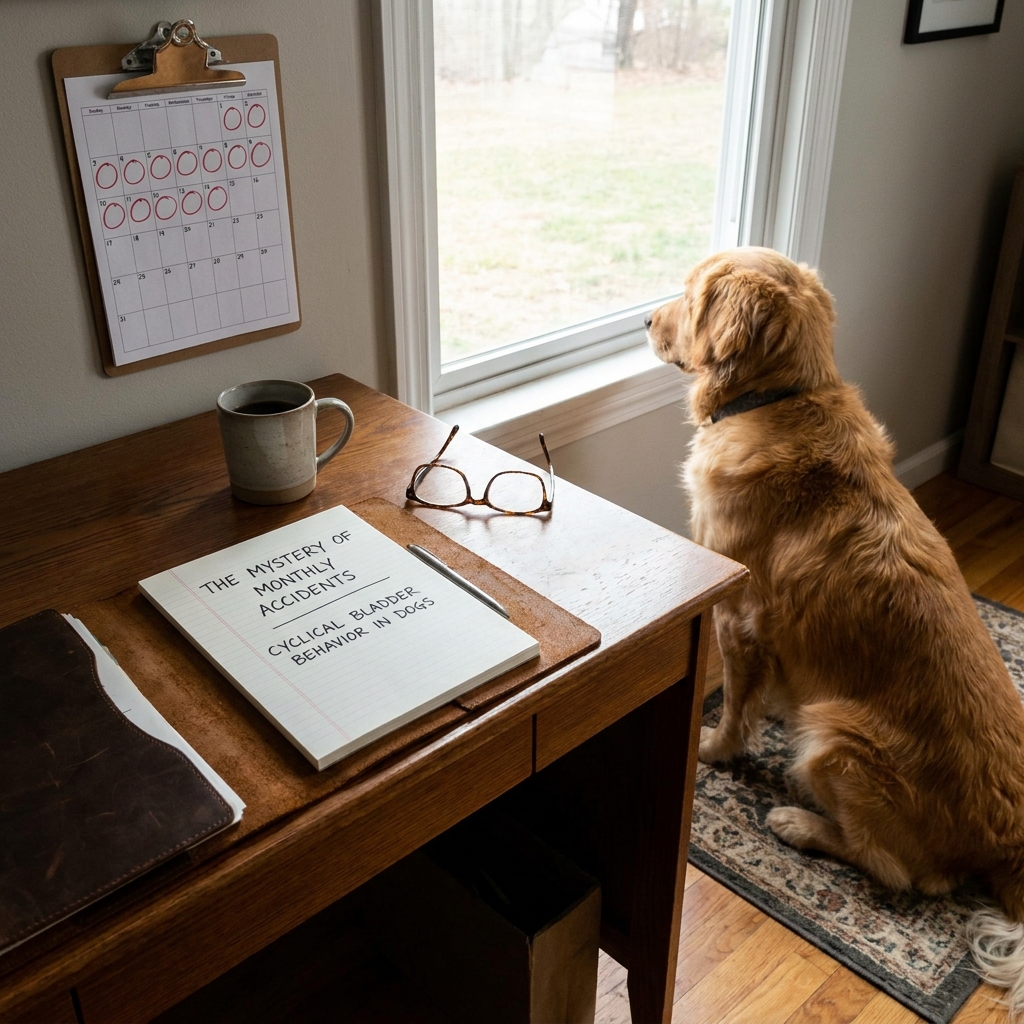
You notice it like clockwork. Every few weeks, your dog starts having accidents in the house again. You wonder if you did something wrong, or if your dog forgot their training overnight. Then, just as suddenly as it started, it stops — until next month. If this sounds familiar, you are not alone. Many pet owners, especially those caring for rescue dogs, deal with this confusing and frustrating pattern. The good news is that cyclical bladder behavior in dogs is something vets see regularly, and there are real answers out there.
Understanding what is happening inside your dog’s body can make a huge difference. Whether you adopted a dog with a complicated history or your long-time companion has started acting differently, this guide will help you make sense of it all.
What to Look For: Signs That Something Cyclical Is Going On
Before you can get help, you need to know what to watch for. Cyclical bladder problems are different from a one-time accident or a simple training issue. Here are the signs that point to something more going on with your dog’s bladder control:
- Accidents happen on a regular schedule — every two to four weeks
- Your dog seems surprised or embarrassed by the accident
- The leaking happens during sleep or rest, not just when excited
- Symptoms appear and then disappear without treatment
- Your dog drinks more water than usual during certain periods
- You notice straining, frequent squatting, or crying during urination
These patterns are important clues for your vet. Keeping a simple calendar or journal of when accidents happen can be one of the most helpful things you do.
Why Rescue Dogs Are Especially Vulnerable
Dog incontinence rescue situations are more common than many people think. When a dog has been abandoned, lived outside, or spent time in a shelter, their body has often been through a lot of stress. That stress can affect many systems, including the urinary tract.
Rescue pet health is complicated because so much of the dog’s history is unknown. You may not know if they were ever treated for infections, if they were spayed or neutered, or what kind of diet they had. All of these factors can affect bladder control in dogs.
Rescue dogs may also have experienced physical trauma, which can damage the nerves and muscles involved in controlling the bladder. Abandoned dog health issues are often invisible at first, showing up weeks or months after adoption as the dog settles in and their body starts to relax.
It does not mean you did anything wrong. It means your dog may have arrived with hidden health needs that are only now showing up.
Common Causes of Cyclical Bladder Problems in Dogs
Understanding why this happens is the first step toward helping your dog. Here are the most common reasons dogs experience repeating cycles of urinary accidents.
Hormonal Changes
One of the biggest causes of recurring bladder issues in dogs is hormone-related. Female dogs that have been spayed may develop something called hormone-responsive incontinence. This happens because the muscles that control the bladder need estrogen to stay strong. After spaying, estrogen levels drop, and over time, the bladder muscles can weaken.
This can cause leaking that seems to come and go, especially during deep sleep. Canine incontinence treatment for hormonal causes is very effective when properly diagnosed, so this is one condition you really want to catch early.
Urinary Tract Infections That Return
A dog UTI rescue situation is one pet owners deal with more often than expected. Urinary tract infections are a very common cause of dog urinary accidents, and they tend to come back if not fully treated — or if the root cause is never addressed.
Some dogs have anatomical quirks, weakened immune systems, or recurring exposure to bacteria that makes them prone to repeated UTIs. If your dog gets better and then gets sick again on a predictable cycle, infection should always be on the list of possibilities your vet checks.
Bladder Stones or Crystals
Animal bladder problems like stones or mineral crystals can form, dissolve partially, and then grow again. This cycle can cause pain, inflammation, and urinary accidents that seem to appear and disappear. Dogs with certain diets or genetic tendencies are more likely to develop these.
Your vet can check for stones with an X-ray or ultrasound. Many dogs with this condition show very few symptoms at first, which is why cyclical accidents sometimes go unexplained for a long time.
Spinal or Nerve Issues
The bladder does not work on its own. It relies on signals from the spine and nervous system to know when to hold urine and when to release it. Dogs with spinal problems, disc disease, or nerve damage may experience inconsistent bladder control.
This is especially common in certain breeds and in dogs who had past injuries. The symptoms may worsen during activity, cold weather, or periods of inflammation — which is why they can appear cyclical even when the underlying issue is constant.
Behavioral and Stress Responses
Sometimes what looks like a physical problem has an emotional trigger. Rescue animal care often involves dogs who have deep-seated anxiety. Stress can affect the body in many ways, including loosening bladder control.
If accidents happen around a specific time each month — like when a household routine changes, during a certain season, or when a particular stressor appears — anxiety could be part of the picture.
How Vets Diagnose Cyclical Bladder Behavior
If your dog is having recurring accidents, the most important thing you can do is talk to your vet and bring that calendar or journal with you. The timing and pattern of accidents tells your vet a lot.
Your vet will likely start with a urine test to check for infection, blood, or crystals. They may also want to check blood work to look at hormone levels, kidney function, and immune health. In some cases, imaging like X-rays or ultrasound can show what is happening inside the bladder and nearby organs.
The goal is to find out if the problem is structural, hormonal, infectious, neurological, or behavioral — because each one calls for a very different approach when it comes to canine incontinence treatment.
What You Can Do at Home to Support Your Dog
There are many ways you can make things easier for your dog while you work through the diagnosis and treatment process.
Track everything. Write down when accidents happen, what time of day, and what the urine looks like. Is it a large amount or just a drip? Is it cloudy or clear? This information is gold for your vet.
Take your dog out more often. If your dog cannot always hold their bladder, giving them more bathroom breaks reduces the chance of accidents and takes pressure off the bladder.
Keep them comfortable and clean. Dogs that leak during sleep can develop skin irritation. Use washable bedding and check your dog’s skin regularly, especially in skin folds.
Reduce stress where you can. A calm, predictable routine is very helpful for dogs dealing with bladder control issues tied to anxiety.
Never punish accidents. Your dog is not doing this on purpose. Punishment increases stress, which can actually make the problem worse.
Common Mistakes Pet Owners Make
Even the most loving pet owners can accidentally make things harder. Here are a few mistakes worth avoiding:
Waiting too long to see a vet. Cyclical accidents often get written off as “just part of who this dog is,” especially in rescue dogs. But most causes are treatable when caught early.
Assuming it is a training problem. A dog with bladder control issues is not forgetting their house training. Physical and medical causes should always be ruled out first.
Stopping treatment too soon. Infections and other conditions can seem better before they are fully healed. Following your vet’s full treatment plan is important to avoid relapse.
Ignoring the pattern. If your dog’s accidents feel random, look again. Patterns often exist but are easy to miss unless you are tracking carefully.
Moving Forward With Your Dog
Cyclical bladder behavior in dogs can feel like an unsolvable mystery, but most of the time there is a clear explanation waiting to be found. Whether you are navigating dog incontinence rescue after adopting a new pet or trying to figure out why your dog’s behavior keeps changing, the answer usually starts with careful observation and a good conversation with your vet.
Your dog is counting on you to notice the pattern and take action. With the right support, most dogs with recurring bladder issues go on to live full, comfortable, happy lives. You are already asking the right questions — and that is the most important first step.
Frequently Asked Questions
Why does my rescue dog keep having bladder accidents even after they seem to get better?
Cyclical bladder accidents in rescue dogs are often caused by underlying medical conditions like recurring urinary tract infections, hormonal imbalances, bladder stones, or nerve damage. These issues can improve temporarily and then return if the root cause has not been fully identified and treated. Keeping a journal of when accidents occur and sharing that pattern with your vet is one of the best ways to get to the bottom of it.
Is my rescue dog's incontinence a training problem or a medical one?
In most cases, cyclical bladder accidents are medical rather than behavioral. Physical causes like weakened bladder muscles, infections, spinal issues, or hormonal changes should always be ruled out before assuming a training problem exists. If accidents happen during sleep, follow a regular pattern, or seem to surprise your dog, that is a strong sign something physical is going on.
Are spayed female dogs more likely to develop bladder control problems?
Yes. Spayed female dogs can develop hormone-responsive incontinence because estrogen levels drop after spaying, which can weaken the muscles that control the bladder over time. This often shows up as leaking during rest or sleep and can seem to come and go. The good news is that this condition responds well to treatment when properly diagnosed.
How can I help my dog at home while waiting for a vet diagnosis?
You can support your dog by increasing bathroom breaks, using washable bedding to keep them clean and prevent skin irritation, maintaining a calm and predictable routine to reduce stress, and carefully tracking when accidents happen along with details like urine appearance and amount. Never punish accidents, as this increases anxiety and can make the problem worse.
What will my vet do to figure out why my dog has recurring bladder issues?
Your vet will likely start with a urine test to check for infection, blood, or crystals, followed by blood work to assess hormone levels, kidney function, and immune health. Imaging such as X-rays or ultrasound may also be used to look for bladder stones or structural issues. Bringing a detailed log of your dog's accident patterns can significantly help your vet narrow down whether the cause is hormonal, infectious, neurological, or behavioral.