
Calming Your City Dog: Real Solutions for Urban Noise Anxiety and Restless Nights
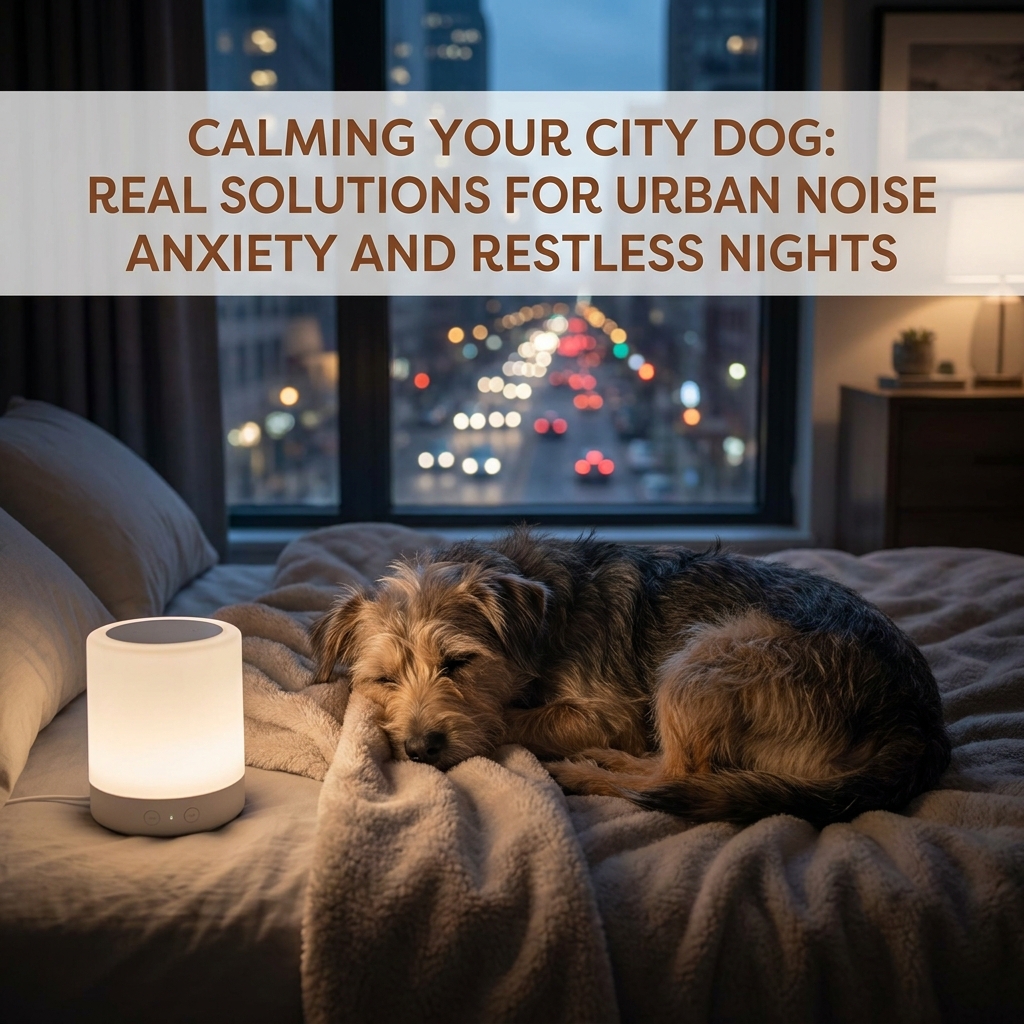
Living in a city with a dog can be wonderful. But if your dog flinches at sirens, trembles during thunderstorms, or paces all night after a loud weekend, you know how hard urban life can be on a sensitive pup. The honking horns, construction sounds, fireworks, and crowd noise that are just background noise to us can feel genuinely overwhelming to a dog. And for rescue dogs who may have had a rough start in life, that stress can run even deeper.
You are not imagining it. Dog noise anxiety is a real and very common problem, especially in city environments. The good news? There are practical, proven ways to help your dog feel safer — and help both of you finally get some rest.
What to Look For: Signs Your Dog Has Noise Anxiety
Before you can help your dog, it helps to understand what you are actually seeing. Dogs cannot tell us they are scared, so they show it in other ways. Some signs are obvious, and some are easy to miss.
Common signs of dog noise anxiety include:
- Trembling or shaking during or after loud sounds
- Panting heavily even when it is not hot
- Hiding under beds, in closets, or behind furniture
- Pacing, circling, or inability to settle
- Whining, barking, or howling at sounds
- Yawning repeatedly or licking their lips (signs of stress)
- Refusing to eat or drink
- Destructive behavior like chewing or scratching
- Accidents in the house even when house-trained
Some dogs show one or two of these signs. Others show several at once. If your dog is struggling at night specifically, you might notice them restless, alert to every sound, or waking you up repeatedly. This kind of broken sleep is exhausting for everyone involved.
It is also worth knowing that dog sound sensitivity can overlap with separation anxiety in dogs. If your dog is already anxious when left alone, city sounds can make that anxiety worse, especially when you are not home to reassure them.
Why City Life Is Hard on Dogs
To understand urban dog behavior around noise, it helps to think about how dogs experience the world. Their hearing is much sharper than ours. They can hear frequencies we cannot, and they are wired to pay attention to sudden or unpredictable sounds as a survival instinct.
In a city, those sudden sounds never stop. A garbage truck at 6am. A car alarm at midnight. A neighbor’s bass-heavy music. Construction starting without warning. Each one can trigger a stress response in a dog, flooding their body with adrenaline and cortisol.
For rescue dogs, this city dog stress can be even more intense. Anxious rescue dogs often come from uncertain backgrounds, and many have not had the chance to learn that loud sounds are safe. What looks like overreaction is actually a dog doing exactly what their nervous system is telling them to do — treat the unknown as a threat.
Understanding this does not fix the problem overnight, but it does change how you respond. Patience and consistency are your most important tools.
Dog Desensitization Training: Teaching Your Dog the World Is Safe
One of the most effective long-term approaches to noise phobia in dogs is called desensitization training. This simply means slowly and carefully exposing your dog to scary sounds at a low level until they learn those sounds are not dangerous.
How it works:
You start by playing a recording of the triggering sound — city traffic, sirens, fireworks — at a very low volume. So low that your dog notices it but does not react with fear. While the sound plays, you do something your dog loves. Play, give treats, offer calm praise. The goal is to pair the sound with something positive.
Over time, very gradually, you increase the volume. The key word is gradually. Pushing too fast can make anxiety worse, not better. Think weeks and months, not days.
Practical tips for desensitization:
- Use recordings specifically made for dog sound sensitivity training — many are freely available
- Always start well below the level that triggers fear
- Watch your dog’s body language closely and back off if they show stress
- Keep sessions short — five to ten minutes is plenty
- Never force your dog to stay near a scary sound
Dog desensitization training works best when started early, but it can help dogs of any age. If your dog’s fear is severe, it is worth talking to a veterinary behaviorist who can guide the process safely.
Creating a Safe Space at Home
One of the simplest and most effective dog calming techniques is giving your dog a dedicated safe space. This is a spot in your home where they can go when they feel overwhelmed — somewhere quiet, dim, and comfortable.
Dogs are den animals. A small, enclosed space can feel genuinely comforting when the world outside feels too loud and unpredictable.
How to set up a calming space:
- Choose a quiet interior room, away from windows if possible
- Use a crate with the door left open, or a corner with a comfortable bed and some sides blocked off
- Add familiar-smelling items like an old shirt of yours
- Consider soft background noise like a fan or calming music to buffer outside sounds
- Make this space available all the time, not just during scary events
The important thing is to let your dog choose to go there. Never force them into the space or use it as punishment. Over time, many dogs start to self-soothe by retreating to their safe spot when they feel stressed.
Routine, Exercise, and Mental Stimulation
A tired dog is generally a calmer dog. One often-overlooked part of managing city dog stress is making sure your dog gets enough physical and mental activity every day.
Exercise helps burn off the nervous energy that anxious dogs carry. A dog who has had a good walk or play session during the day is better equipped to settle at night. Aim for consistent, predictable exercise times — routine itself is calming for dogs because it makes the world feel more predictable.
Mental stimulation matters just as much. Puzzle feeders, training sessions, sniff walks, and hide-and-seek games all tire a dog’s brain in a healthy way. For anxious dogs, having a job to do — even something simple — gives them focus and confidence.
Tips to build a calming routine:
- Walk your dog at the same times each day when possible
- Add at least one short training session daily — even five minutes helps
- Use meal times as mental enrichment opportunities
- Wind down the evening with calm, low-energy activity before bed
- Be consistent on weekends as well as weekdays
For dogs dealing with separation anxiety alongside noise anxiety, routine is especially grounding. Knowing what comes next reduces the uncertainty that feeds anxious behavior.
Nighttime Strategies for Restless Dogs
Restless nights are one of the most common complaints from city dog owners. Here are some practical approaches specifically for helping your dog settle after dark.
Manage the environment: Close windows and use curtains to muffle outside noise. White noise machines, fans, or calming music can help create a consistent sound environment that buffers unpredictable city sounds.
Be a calm presence: Your dog takes cues from you. If you tense up every time a siren goes off, they notice. Practice staying relaxed and neutral when sounds happen. A calm, quiet “it’s okay” followed by you going back to what you were doing sends the message that nothing alarming has happened.
Avoid unintentionally reinforcing fear: There is a difference between comforting your dog and accidentally confirming their fear. Calm, matter-of-fact reassurance is fine. Panicked rushing over, excessive soothing, or picking your dog up and hovering can sometimes signal that their fear response was the right one.
Consider sleep location: Some anxious dogs do better sleeping near their owner. Others do better in their safe space. Pay attention to what actually helps your individual dog settle.
Common Mistakes to Avoid
Even well-meaning owners sometimes make things harder without realizing it. Here are a few common missteps to watch for:
- Moving too fast with desensitization. Gradual is the only way this works. Skipping steps can set you back weeks.
- Punishing fear responses. Scolding a dog for shaking or hiding does not reduce fear. It adds more stress on top of stress.
- Flooding. This means exposing a dog to a full-on scary sound hoping they will get used to it. This almost always backfires and can make noise phobia worse.
- Inconsistent routines. Anxious dogs need predictability. Chaotic schedules make it harder for them to ever fully relax.
- Waiting too long to get help. If your dog’s anxiety is severe or getting worse, a veterinary behaviorist or certified trainer can make a real difference. There is no benefit to waiting.
You and Your Dog Can Get Through This
Dog noise anxiety in a busy city is genuinely challenging, but it is not hopeless. With patience, consistency, and the right approach, most dogs improve over time. Even dogs who have struggled for years can learn to feel safer.
Start small. Pick one strategy from this article and try it consistently for a few weeks. Build from there. Your calm, steady presence is one of the most powerful tools you have — and your dog is paying attention to it more than you might know.
Frequently Asked Questions
How do I know if my dog has noise anxiety or is just being reactive to sounds?
There is a difference between a dog briefly alerting to a sound and a dog who is genuinely distressed. Signs of noise anxiety go beyond a quick bark or ear perk. Look for trembling, heavy panting, hiding, pacing, repeated yawning, or accidents in the house during or after loud sounds. If your dog struggles to settle, refuses food, or shows these signs regularly around city noise, it is likely more than simple reactivity and worth addressing directly.
How long does desensitization training take to work?
Desensitization training is a slow process that typically takes weeks to months, not days. Progress depends on how severe your dog's anxiety is, how consistently you practice, and how gradually you increase sound exposure. Rushing the process can actually make things worse. For dogs with severe noise phobia, working with a veterinary behaviorist can help you move through the process more safely and effectively.
Is it okay to comfort my dog when they are scared of loud noises?
Calm, matter-of-fact reassurance is generally fine and will not make anxiety worse. The key is to stay relaxed yourself. Speak in a steady, neutral tone and return to your normal activity to signal that nothing alarming has happened. What to avoid is panicked hovering or excessive soothing, which can unintentionally confirm to your dog that their fear was the appropriate response.
Can rescue dogs with anxiety ever fully recover from noise sensitivity?
Many rescue dogs improve significantly with consistent training, routine, and patience, even those who have struggled for years. Anxious rescue dogs often come from uncertain backgrounds and simply need time and repeated positive experiences to learn that loud sounds are not dangerous. Full recovery looks different for every dog, but most can reach a point where noise is manageable rather than overwhelming. Severe cases benefit most from professional guidance.
What is the quickest thing I can do tonight to help my anxious dog sleep better?
Start by managing the environment. Close windows, draw curtains to muffle outside noise, and introduce a white noise machine or fan to create a consistent sound buffer. Give your dog access to a quiet, comfortable space with familiar smells where they can retreat if overwhelmed. Stay calm yourself when sounds occur, since your dog takes emotional cues directly from you. These steps will not eliminate anxiety overnight, but they can meaningfully reduce how much city noise disrupts your dog's sleep right away.