
Why Dogs Develop Comfort Attachments to Toys: Understanding Emotional Bonding in Dogs
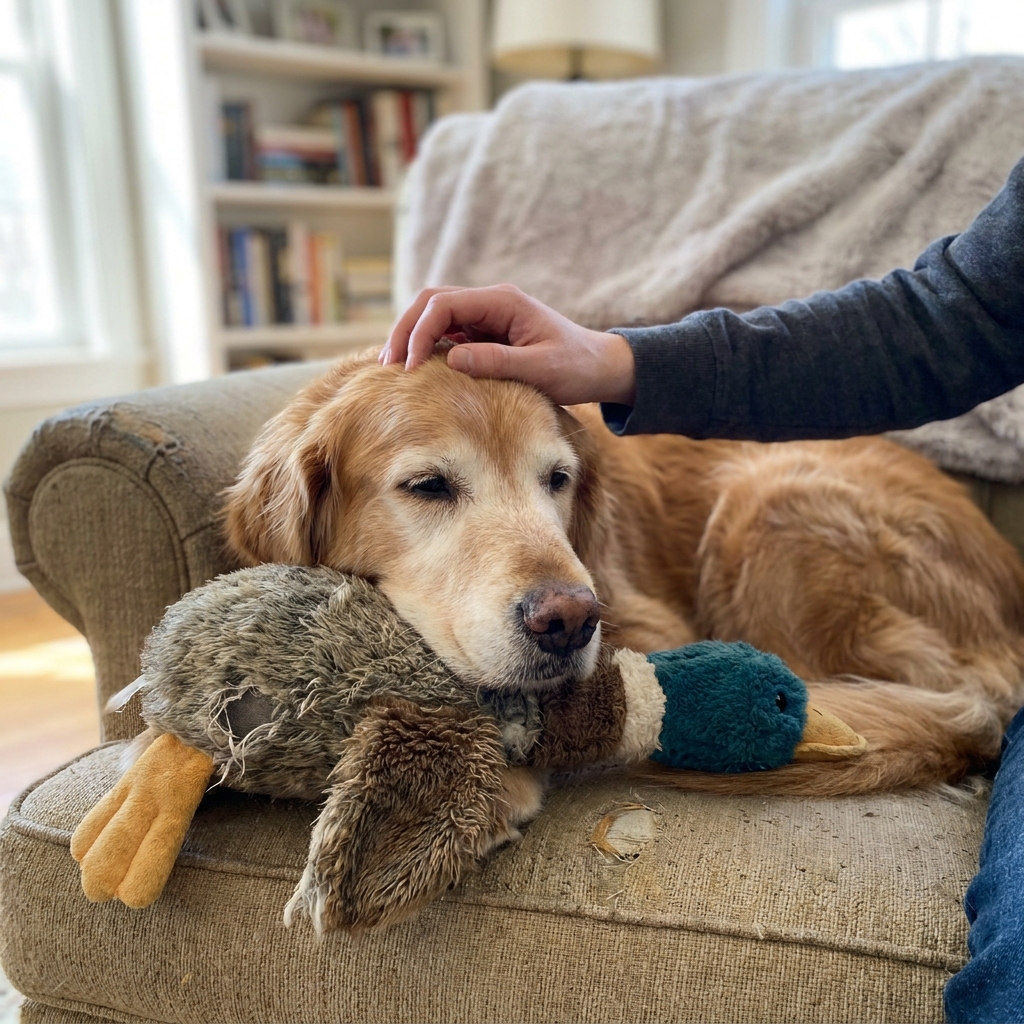
Have you ever noticed your dog carrying the same stuffed animal everywhere they go? Maybe they sleep with it, groom it, or panic when it goes missing. If this sounds familiar, you’re not alone. Many dog owners watch their pets form deep bonds with specific toys and wonder what’s really going on. Is it just a habit? Is it something to worry about? The truth is, dog toy attachment is a real and meaningful behavior — and understanding it can help you become a better, more supportive pet owner.
What Matters Most: Understanding the Emotional Side of Your Dog
Before diving into the reasons dogs bond with toys, it helps to know that dogs are emotional creatures. They feel comfort, fear, loneliness, and joy. Just like people need certain things to feel safe and calm, dogs do too.
A toy isn’t always just a toy. For some dogs, a favorite object becomes a source of security — something that helps them manage stress, feel less alone, or cope with change. This is especially true for dogs that have experienced trauma, loss, or instability.
When you understand this, your dog’s behavior starts to make a lot more sense.
Why Dogs Form Emotional Bonds with Objects
Dog behavior psychology tells us that dogs are wired for attachment. In the wild, dogs are pack animals. They depend on connection and closeness to feel safe. When that connection isn’t fully available — or when a dog goes through something stressful — they may turn to a physical object for comfort.
This is called object attachment, and it’s a completely natural response. Dogs use their senses — especially smell and touch — to feel connected to something familiar. A toy that carries their scent, or the scent of someone they love, can feel incredibly soothing.
Think of it like a child’s security blanket. The item itself isn’t magical, but the feelings it brings are very real.
Common Reasons Dogs Develop Toy Attachments
There isn’t one single reason dogs bond with toys. It usually comes down to a mix of experiences, personality, and emotional needs.
1. Anxiety and the Need for Comfort
One of the most common reasons for dog toy attachment is dog anxiety. Dogs that struggle with separation anxiety, fear of loud noises, or general nervousness often turn to a toy for comfort.
Holding or carrying a familiar object gives them something to focus on. It can lower their stress response and help them feel more grounded when the world around them feels unpredictable.
If your dog always grabs their toy before you leave the house, or retreats to it during storms, this is likely what’s happening.
Tip: Don’t take the toy away during stressful moments. Let it do its job. That object is helping your dog self-soothe.
2. Early Life Experiences and Puppy Bonding
Puppies that are separated from their mothers and littermates too early often develop strong object attachments. During those early weeks, warmth, smell, and physical closeness are everything. When that’s suddenly gone, a soft toy can partially fill that gap.
This is also why puppy rescue bonding often involves a toy from the start. Many shelters and rescues send a toy with a puppy when they go to a new home. That familiar smell can ease the transition in a big way.
If you’re bringing home a new puppy, giving them a soft toy early on — especially one that carries a comforting scent — can help them adjust faster and feel less overwhelmed.
3. Shelter and Rescue Dog Behavior
Dogs that come from shelters or difficult backgrounds often show some of the strongest toy attachments. Shelter dog behavior can include clinging to objects as a way to feel safe in an unpredictable environment.
For rescued dogs, a toy can be one of the first things that feels truly theirs. It gives them a sense of ownership, identity, and stability. This plays a huge role in rescue dog rehabilitation — helping a dog learn to trust their new environment.
If your rescued dog bonds strongly with a toy early on, that’s actually a great sign. It means they’re starting to feel safe enough to care about something.
Tip: Let your rescue dog keep their toy during vet visits, car rides, and any new experiences. Familiar objects reduce stress during big changes.
4. Breed and Natural Instincts
Some breeds are simply more likely to form strong attachments to objects. Retrievers, for example, were bred to carry things gently in their mouths. It’s built into their DNA. For these dogs, holding a toy is deeply satisfying — almost instinctive.
Herding breeds may bond with toys they can “protect” or keep track of. Terriers might fixate on toys they can shake or “hunt.” Understanding your dog’s breed tendencies can help explain why they’re so attached to certain types of objects.
This doesn’t mean mixed breeds won’t form attachments — they absolutely do. But breed background can add another layer of understanding to your dog’s behavior.
5. Positive Association and Memory
Dogs have excellent memories when it comes to feelings. If a specific toy was present during a happy moment — playing with you, feeling safe after a scary event, or receiving comfort — your dog can associate that toy with those good feelings.
Over time, those canine emotional attachments become deeply rooted. The toy itself triggers a positive emotional response, almost like a comfort ritual.
This is part of why dogs have favorite toys. It’s rarely about the toy itself — it’s about what that toy represents.
What Healthy Toy Attachment Looks Like
Not all toy attachment is the same. Most of the time, it’s completely healthy and nothing to worry about. Here’s what normal, healthy attachment usually looks like:
- Your dog carries their toy around but can still eat, sleep, and play normally
- They seek out the toy when stressed but recover quickly
- They share the toy or drop it on command without extreme distress
- The toy brings visible comfort without causing obsessive behavior
This kind of attachment supports animal emotional well-being and is a sign that your dog has found a healthy coping tool.
When Toy Attachment May Signal Something Deeper
Sometimes, toy attachment can point to an underlying issue that needs more support. Watch for these signs:
- Your dog becomes aggressive if anyone approaches their toy
- They won’t eat, drink, or rest without the toy present
- Losing the toy causes hours of extreme distress
- The behavior seems to be getting more intense over time
These patterns can be signs of significant dog anxiety or resource guarding, and they’re worth discussing with a veterinarian or a professional dog behaviorist. In these cases, the toy attachment is a symptom of something that needs attention — not a problem on its own.
Practical Tips for Supporting Your Dog’s Comfort Needs
Understanding your dog’s emotional world is the first step. Here’s how to put that understanding into action:
Let them have their comfort object. Unless it’s a safety hazard, there’s no reason to take away something that helps your dog feel calm and secure.
Keep the toy accessible during stressful events. Vet visits, car rides, fireworks, thunderstorms — these are all times when a comfort toy can make a real difference.
Don’t wash the toy too often. This might sound odd, but the scent is a big part of why the toy is comforting. Washing it too frequently can strip away what makes it feel familiar.
Have a backup. If your dog’s favorite toy is irreplaceable to them, consider keeping a similar one in reserve. If the original gets lost or damaged, the transition will be much easier.
Use the toy as a training tool. Positive associations are powerful. If you want your dog to feel good about something new, having their comfort toy nearby during the introduction can help.
Don’t force the attachment to end. If your adult dog still loves their puppy toy, that’s okay. There’s no age limit on comfort.
A Final Word on Your Dog’s Emotional World
Dogs are far more emotionally complex than we sometimes give them credit for. Their pet psychological needs go beyond food, water, and walks. They need to feel safe, connected, and understood.
When your dog carries their favorite toy to bed every night or brings it to greet you at the door, they’re not being silly. They’re sharing something that matters to them. And that kind of insight — that moment of really seeing your dog — is what great pet ownership is all about.
The next time your dog reaches for their comfort toy, smile. It means they’ve found something that helps them feel okay in the world. And with your love and support, they have even more reason to feel that way.
Frequently Asked Questions
Is it normal for my dog to carry the same toy everywhere they go?
Yes, this is completely normal behavior. Dogs often form strong attachments to specific toys because those objects provide comfort, familiarity, and a sense of security. It's similar to a child's security blanket — the feelings the toy brings are very real, even if the toy itself seems ordinary.
Should I be worried if my rescue dog becomes very attached to a toy?
In most cases, no — it's actually a positive sign. For rescued dogs, bonding with a toy often means they're beginning to feel safe in their new environment. A comfort toy gives them a sense of ownership and stability, which plays an important role in rescue dog rehabilitation. However, if the attachment becomes extreme or aggressive, consulting a veterinarian or behaviorist is a good idea.
Why does my dog grab their toy right before I leave the house?
This is likely a response to separation anxiety. Reaching for a familiar toy is your dog's way of self-soothing when they sense stress is coming. The toy gives them something comforting to focus on in your absence. Rather than removing the toy, allow your dog to keep it — it's helping them cope.
How do I know if my dog's toy attachment has become unhealthy?
Healthy attachment allows your dog to still eat, sleep, and function normally. Signs that something deeper may be going on include aggression when anyone approaches the toy, inability to rest without it, extreme distress when it goes missing, or behavior that grows more intense over time. These signs are worth discussing with a professional.
Should I wash my dog's favorite toy regularly?
Not too often. The scent on your dog's comfort toy is a big part of what makes it soothing and familiar. Washing it frequently can remove that comforting smell and make the toy feel less reassuring to your dog. When you do wash it, consider keeping a similar backup toy on hand in case the original is ever lost or worn out.
